

100% Locally Owned, Independent and Free

100% Locally Owned, Independent and Free

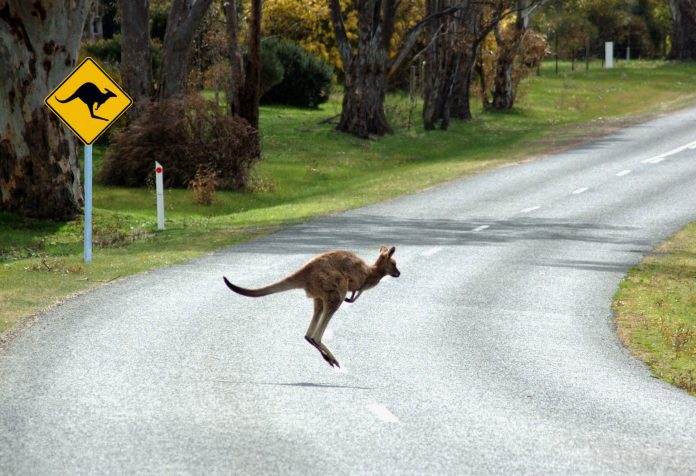
There's a greater chance of coming across animals on local roads at this time of year

Do you have a news tip? Click here to send to our news team.

Coast professor details warning signs of PTSD

Feeling stressed after a traumatic event is normal, but a global post-traumatic stress disorder (PTSD) expert says there are clear signs that it may More

Park upgrades help users overcome communication barriers

Ten Sunshine Coast parks are now home to communication boards designed to make the facilities more interactive and educational. Created by Sunshine Coast Libraries in More

Fast-tracked degree to meet demand for engineers

The University of the Sunshine Coast (UniSC) is addressing Australia’s demand for highly skilled engineers by launching an accelerated pathway into its Master of More

Photo of the day: sunrise splendour

A stunning sunrise at Shelly Beach. This moment was captured by Lesley Evans. If you have a photo of the day offering, email photo@sunshinecoastnews.com.au. Photos must More

New habitats underway for endangered native fish

Trees will be used to create underwater habitat structures for endangered native fish species on the Sunshine Coast in a new initiative. The Seqwater program, More

Your say: car choices, seawall works and more

Do you have an opinion to share? Submit a Letter to the Editor at Sunshine Coast News via news@sunshinecoastnews.com.au. You must include your name and More

Residents are being urged to be alert when out and about, with wildlife on the move during spring.

That’s the message from Noosa Council’s environment team as the weather warms up.

“Koalas, kangaroos and reptiles such as snakes and lizards are all active at this time of year, so there is a greater chance of coming across them on local roads, particularly from late afternoon onwards,” Principal Environment Officer Peter Milne said.

“Many of our native animals face a wide range of threats, but by taking a little extra care when driving we can all help reduce their risk of being struck by vehicles.

“If you do come into contact with sick or injured wildlife, please call the RSPCA hotline on 1300 ANIMAL to arrange for assistance.”
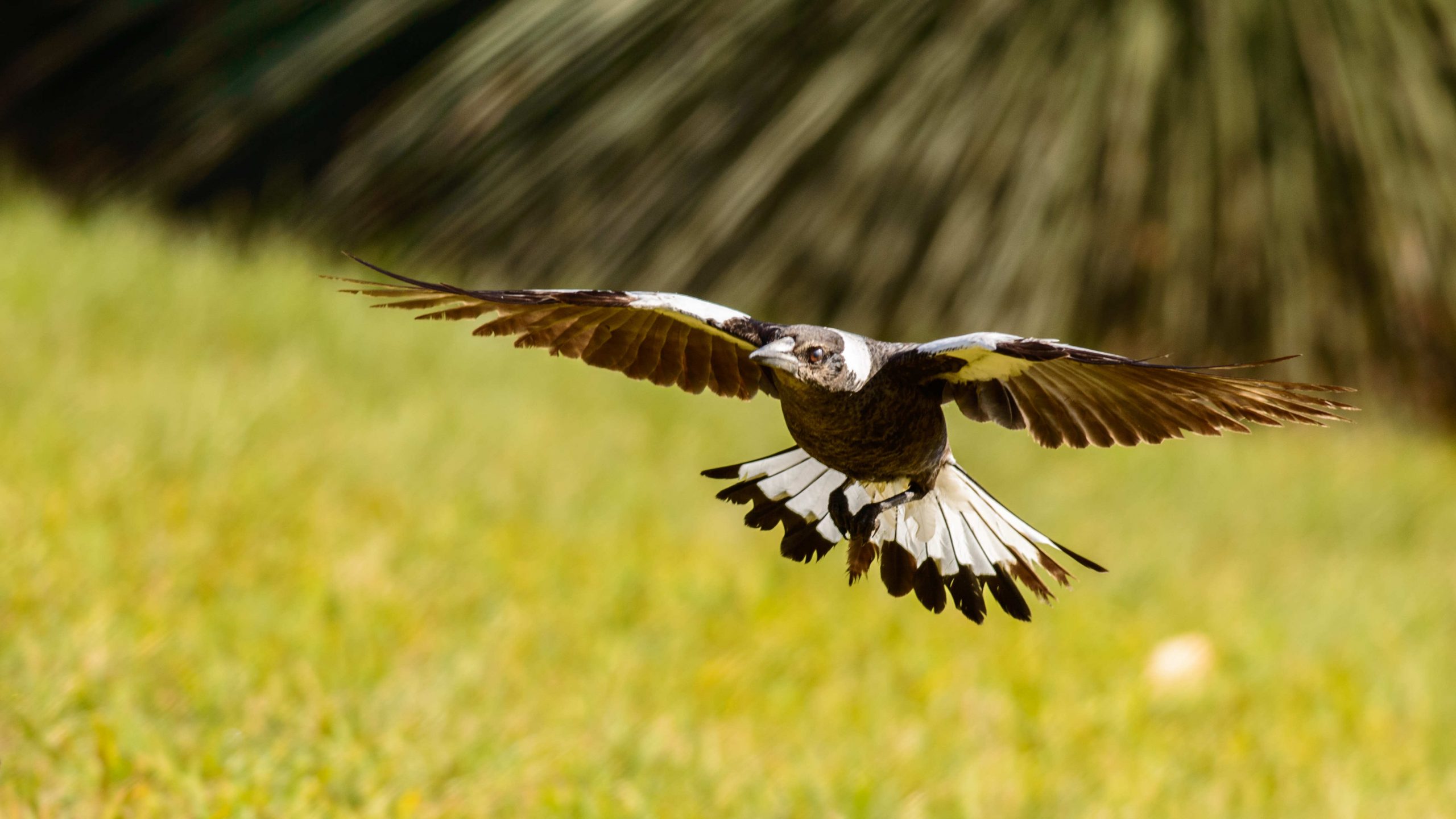
It’s good practice to wear a broad-brimmed hat if you’re walking in a swooping hotspot. Picture: Shutterstock.

Mr Milne said birds, too, were active during spring and some species could become aggressive in defence of their nests.

“When we think of swooping birds we often think of magpies, but other birds too can behave in this way when defending their nests, including plovers, butcherbirds, pee-wees and myna birds,” he said.

Follow us on Facebook: www.facebook.com/scnews2020/

Help keep independent and fair Sunshine Coast news coming by subscribing to our free daily news feed. All it requires is your name and email. See SUBSCRIBE at the top of this article. 

“It’s good practice to wear a broad-brimmed hat and sunglasses when outside and if you’re walking in a known swooping hotspot, take an umbrella or, better still, avoid the area by taking a different route.”

Mr Milne said Noosa Council may relocate aggressive birds on public land if they have the potential to cause injury, but it’s a last resort.


 

Subscribe to SCN’s free daily news email

This field is for validation purposes and should be left unchanged.
This field is hidden when viewing the form
[scn_go_back_button] Return Home
Share