
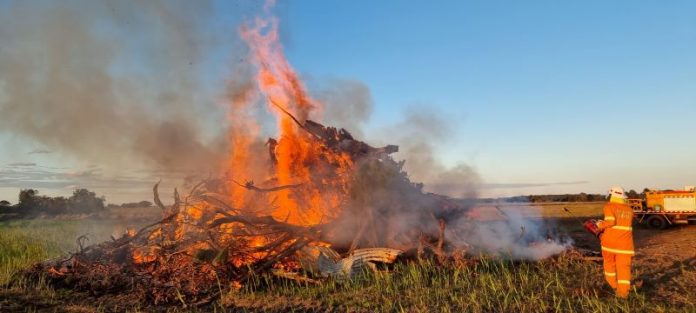
A local Rural Fire Service Chief has revealed a grim prediction for the Sunshine Coast – we are in for a severe fire season ahead if La Nina rears her ugly head again.
Maroochy South RFS Group Officer Nigel Kemp’s prediction is based on the third consecutive La Nina coming as forecast, later this year.
While this coming season is anticipated to be extremely wet, Mr Kemp said it’s the next dry season that could see a lot of fuel and the ideal conditions for fires in bush and farmland across the Sunshine Coast.
“If we get the 300mm to 400 mm we are tipped to get in the next few months – that will severely lessen the fire season for the region for this year,” he said.
“Certainly out at the Kingaroy, Burnett district and through the Bundaberg regions – but possibly not – if they don’t get that kind of rain they will still have a fire season.”
However, he warned the predicted rainy season would potentially cause a heightened risk for the coming years because of an increased fuel load.
“The constant rain during spring and summer will allow a lot more growth so we will have quite a heavy fuel load growing out there,” he said.
“Then if we get frosts and a dry summer next year, then we are going to have a massive fuel load out there on the ground ready to burn.”
Mr Kemp said while there was a possible increased risk of a heightened fire season in the coming years, now was the time to do something about it.
He said for people not to panic and even before the rains, property owners could help to alleviate the situation now.
“Now is the time people can get into their blocks and do the maintenance, regularly do some clearing and be vigilant about what their gutters and vegetation is like around their house.
“While there is no risk, possibly get and Clean and tidy up now.”
Mr Kemp said there were heightened fuel loads in certain areas prior to the 2019 Sunshine Coast fires and he suggested “nobody wanted a repeat of that”.
“Whether it was government land or private land people hadn’t been able to get on top and get those areas completely control burned,” he said.
“It doesn’t help too when you have arsonists out there who see a block of land and think, ‘Well, that’s a good opportunity for me to have a little fun’.”
Mr Kemp said quite a few fires were lit by arsonists and other times it’s a simple cigarette out the window.
“People just don’t think about it,” he said. “I still see people sitting in their car at traffic lights and throwing their cigarette buts out he window onto the bitumen.
“If they are doing that in the streets, what are they doing in the bush?”
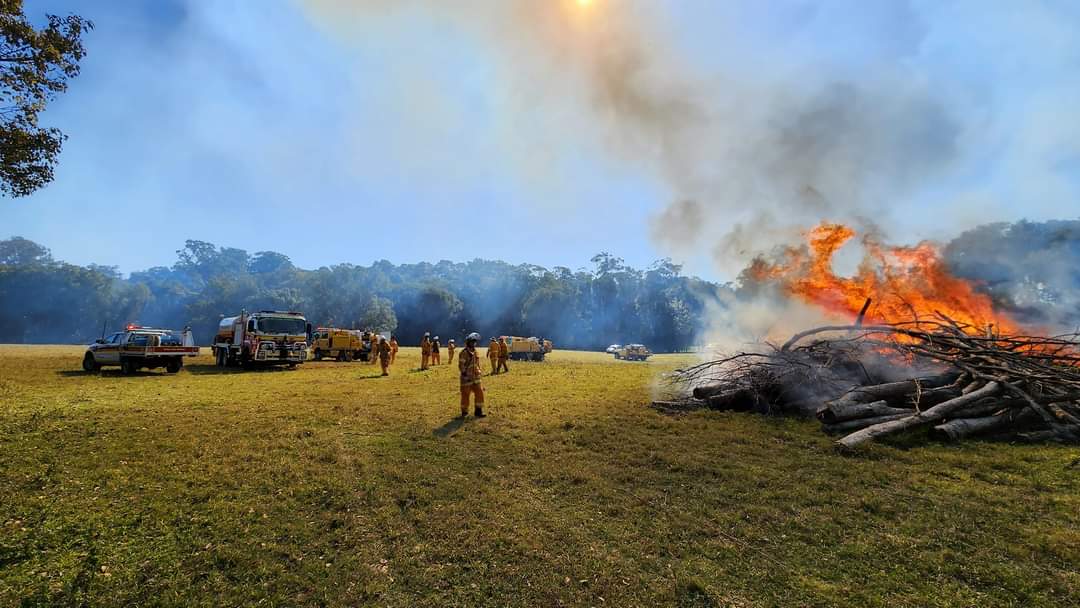
With the wet weather earlier in the year, he said a problem the RFS, other government agencies and property owners faced, was falling behind on some planned controlled burns that would usually help lessen fuel loads.
He said they were catching up where they could during the pockets of small dry periods.
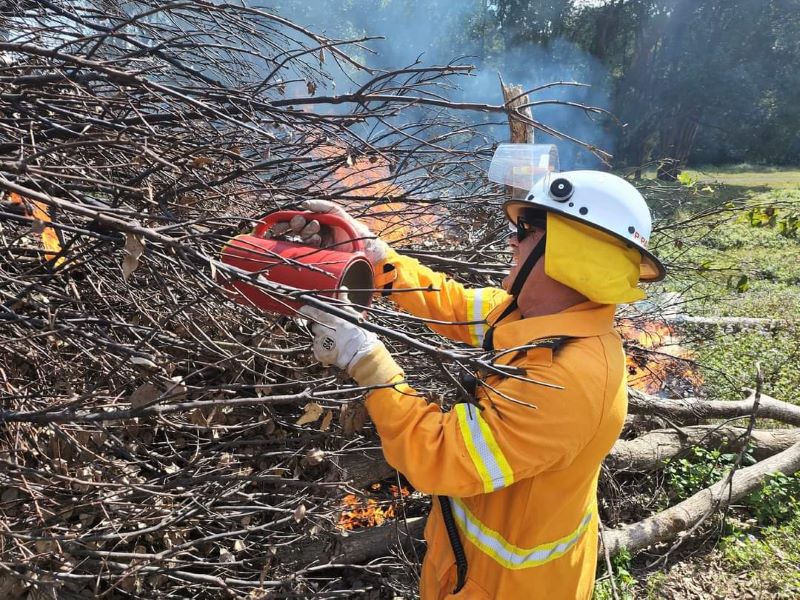
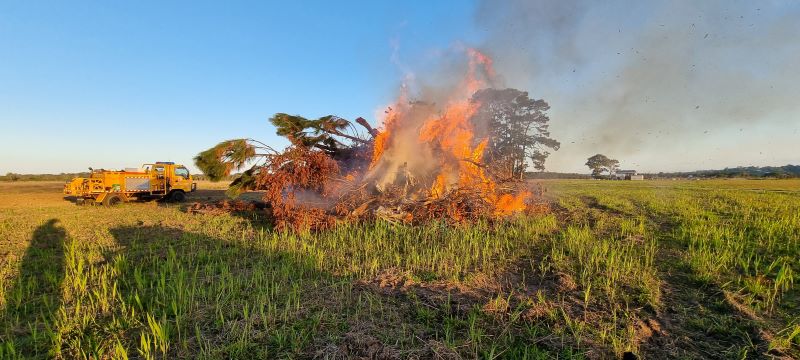
Property owners who want to do a controlled burn can reach out to their local Rural Fire Brigade about how to go about it.
The RFS can come out free of charge and discuss what they can do and how they can help them.
SUBSCRIBE here now for our FREE news feed, direct to your inbox daily!