
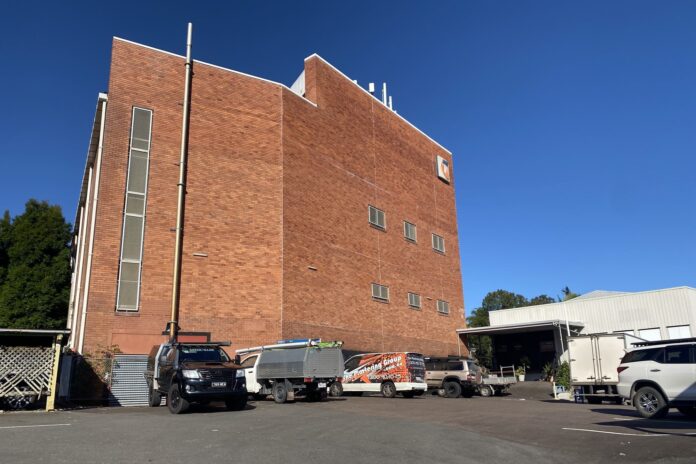
They’re dotted around the landscape, seemingly as relics of a bygone communications era.
But more than 80 Telstra exchange buildings on the Sunshine Coast – and more than 7400 around the country – are still being used.
Head of Telstra InfraCo asset planning David Gee provided an update on the facilities, many of which were built from the late 19th century to the mid to late 20th century.
“Exchanges perform a number of network functions, the main one being to house our technology and to provide support for our consumer and corporate customers and their services across our fibre and mobiles networks,” he said.
“Depending on the site, it may also play an aggregation role for other sites to bring their traffic back into the network.
“Some are staffed (full-time) and some have staff at particular times.”
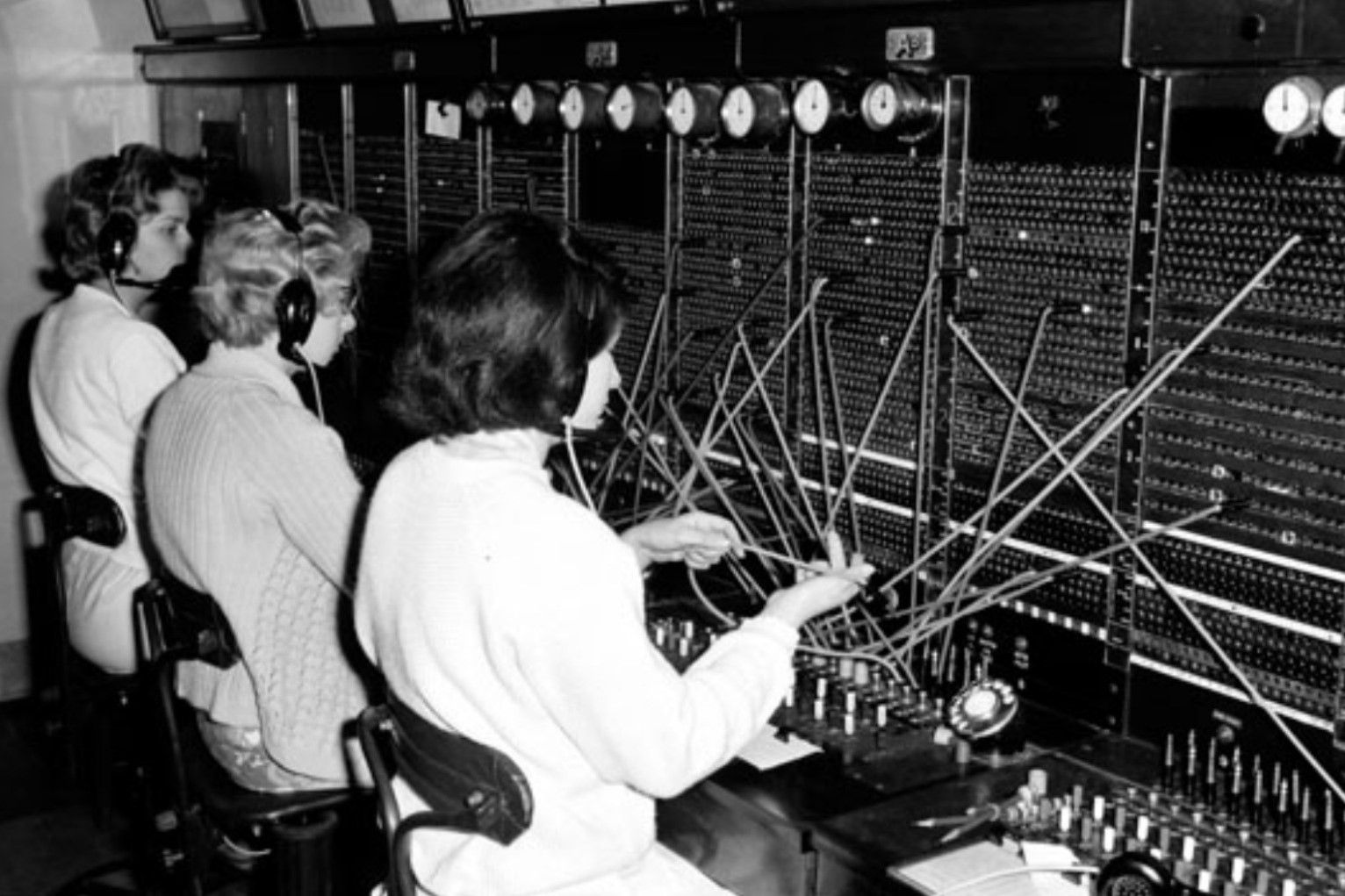
Exchange buildings were first designed to house telephone exchange equipment, which facilitated the routing and switching of telephone calls.
Their main purpose was to connect local telephone lines with the national and international network.
Want more free local news? Follow Sunshine Coast News on Facebook, LinkedIn and Instagram.
The buildings initially accommodated manual operators who would connect phone callers, but the facilities were slowly transitioned to house automated and digital switching systems, with staff on hand to ensure network reliability.
“The buildings were all built over time to support the roll-out of Telstra’s networks,” Mr Gee said.
“They have supported every network that Telstra has built, and continue to do so, including our new 5G roll-out and our extensive fibre network in the region.”
Mr Gee said Telstra owned many of the properties that have exchange buildings, and leased some of them.
So, the giant telco is essentially sitting on a goldmine of land assets.
When asked what Telstra intended to do with the properties it owned, Mr Gee said there were multiple options the company could pursue.
“Plans are varied, depending on the long-term requirement for the site, based on our network plans,” he said.
“As we exit copper services, for example, if there are no other requirements at that site, we may choose to exit the building and either sell or surrender the lease.”
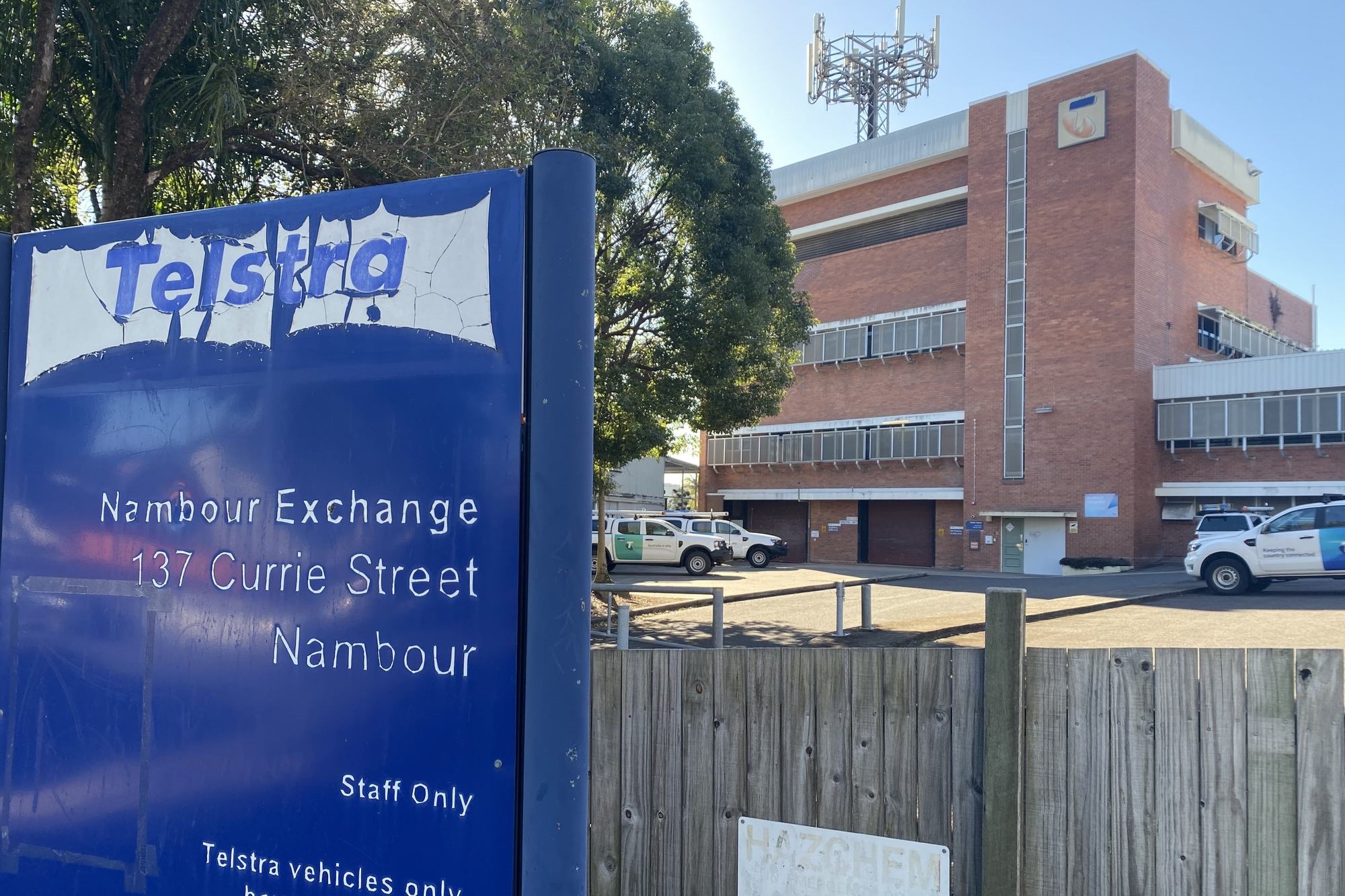
The Sunshine Coast has several historic exchange buildings, most of which are still in operation.
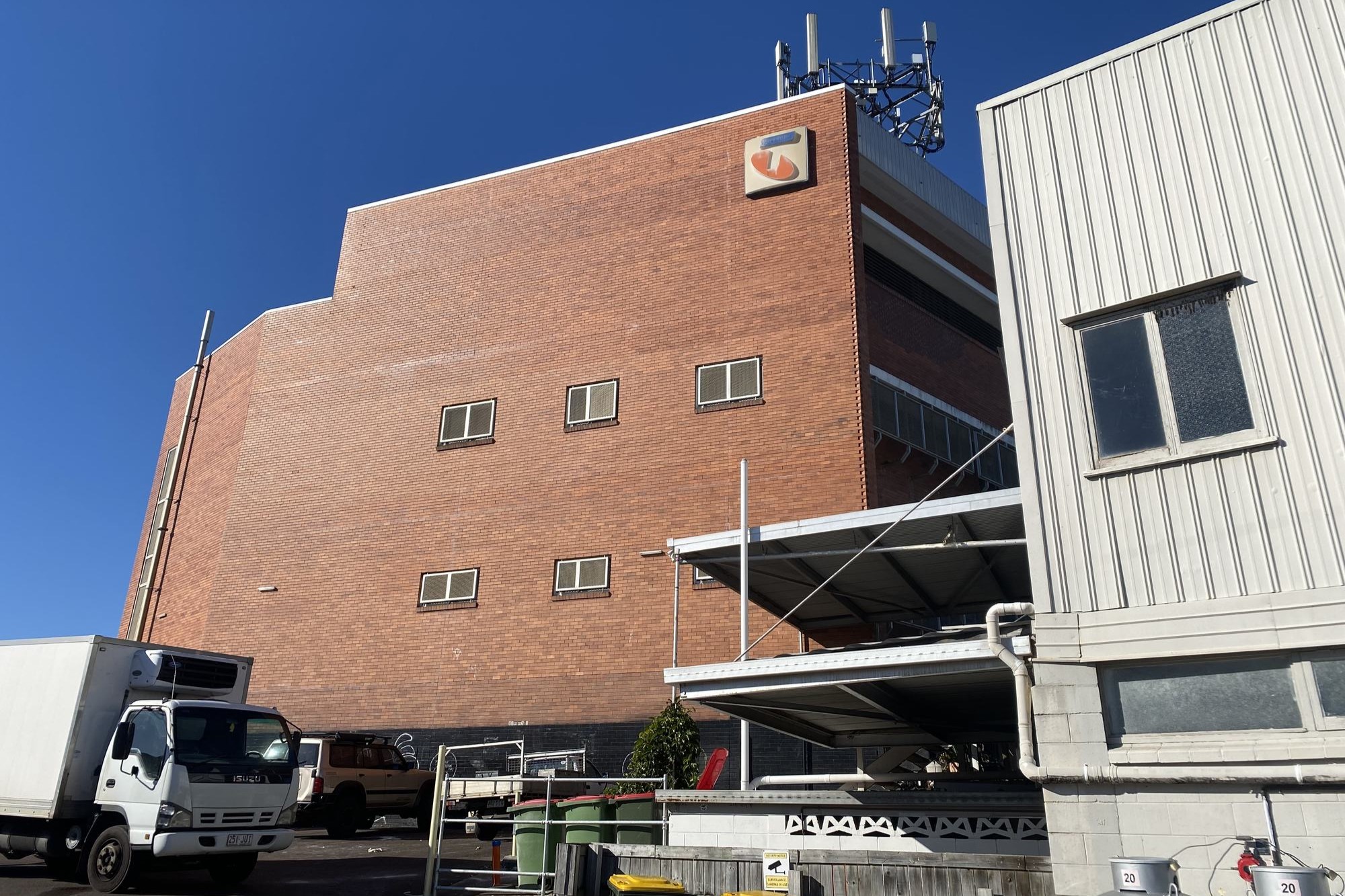
Nambour boasted one of the largest switching centres in Queensland in the mid-20th century.
It started within the post office on Currie Street in 1910 before evolving to become a four-storey behemoth in 1973.
Do you have an opinion to share? Submit a Letter to the Editor at Sunshine Coast News via news@sunshinecoastnews.com.au. You must include your name and suburb.