
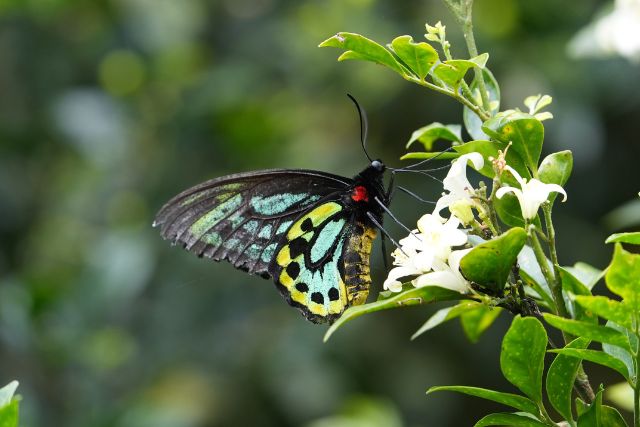
Habitat for two of Queensland’s most vulnerable moth and butterfly species is being restored through a partnership between Unitywater and a landcare group.
Unitywater and Barung Landcare have established more than 60 new growths of the birdwing butterfly vine and the carronia vine on Unitywater land inside the rehabilitated Porters Wood Forest at the Maleny Water Treatment Plant.
The birdwing butterfly vine is the food plant for the vulnerable Richmond birdwing butterfly and the carronia vine is the food source for the endangered pink underwing moth.
Unitywater executive manager customer delivery Rhett Duncan said the plantings would help sustain butterfly populations for generations to come.
“These vines, sourced from the Barung Landcare Native Nursery, are vital for the survival of endangered species,” he said.
“The birdwing butterfly vine will take between six and 12 months to establish, while the carronia vine will require around two years.
“After planting, the vines will sustain themselves both from the naturally occurring rich loam soils and nutrients released from the treated effluent at the treatment plant.”
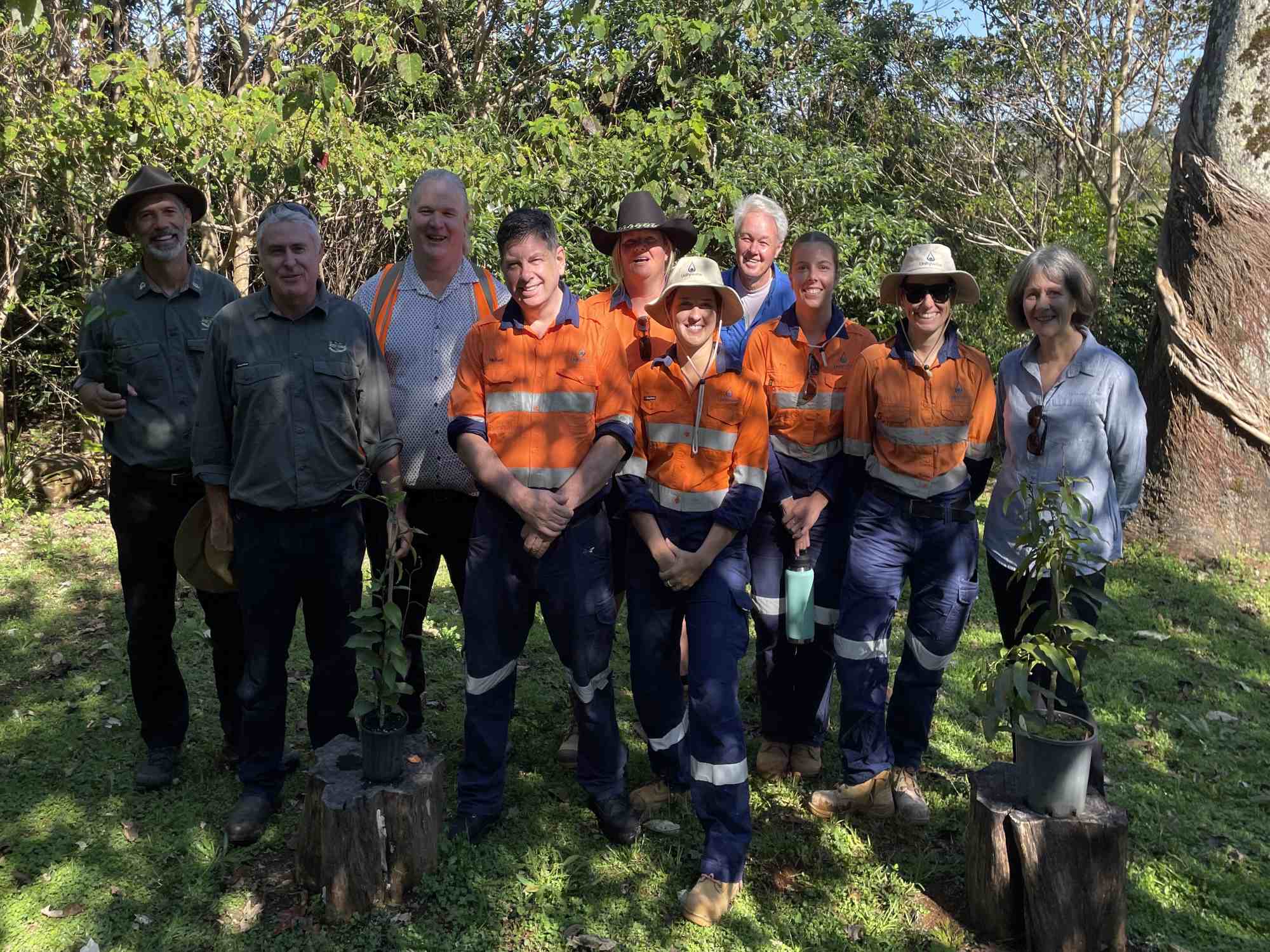
In Queensland, the birdwing butterfly vine is listed as near threatened, which poses a significant risk to the Richmond birdwing butterfly.
Similarly, the carronia vine is the primary food source for the caterpillars of the pink underwing moth, which also lays its eggs on the broad leaves of the vine.
Barung Landcare’s Cameron Burton said some of Australia’s most iconic butterflies and moths could disappear forever without certain native vines.
Want more free local news? Follow Sunshine Coast News on Facebook, LinkedIn and Instagram.
“These new vines will create a corridor between known host plants of the moths and butterflies’ larvae, enhancing local habitat connectivity and ensuring these species can thrive by moving freely between critical habitats,” Mr Burton said.
“With Unitywater’s support to purchase the vines and plant them at their site in Maleny, we are hoping to see increased numbers of the Richmond birdwing butterfly and pink underwing moth in the Porters Wood Forest over the coming years as these new habitats grow.”
Since June 2013, Unitywater has planted much of the vegetation that now forms the forest and wetland surrounding the Maleny Wastewater Treatment Plant.
A dense canopy has formed that attracts wildlife including flying foxes, pythons, goannas, bandicoots and even a platypus that migrated from Obi Obi Creek.
Like stories that inform, connect and celebrate the Sunshine Coast? So do we. Join an independent local news revolution by subscribing to our FREE daily news feed at the bottom of this article.